Front Seat Flying
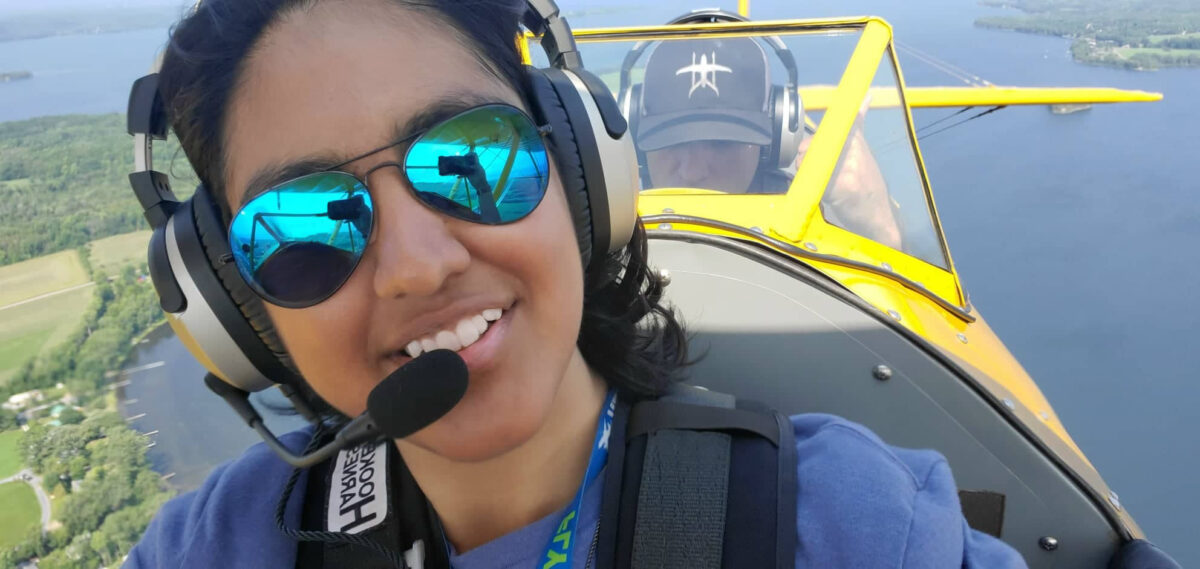
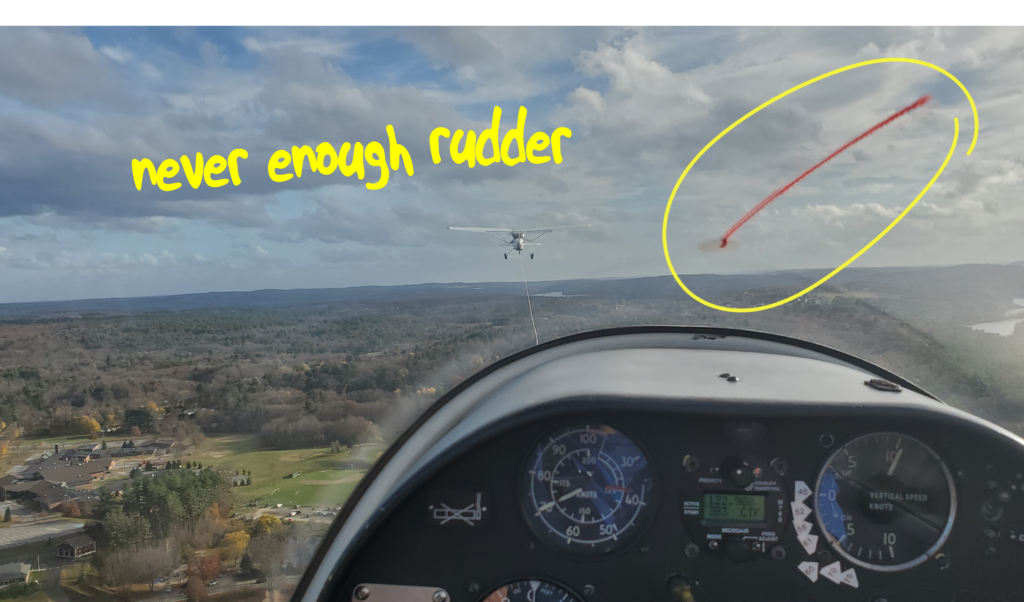
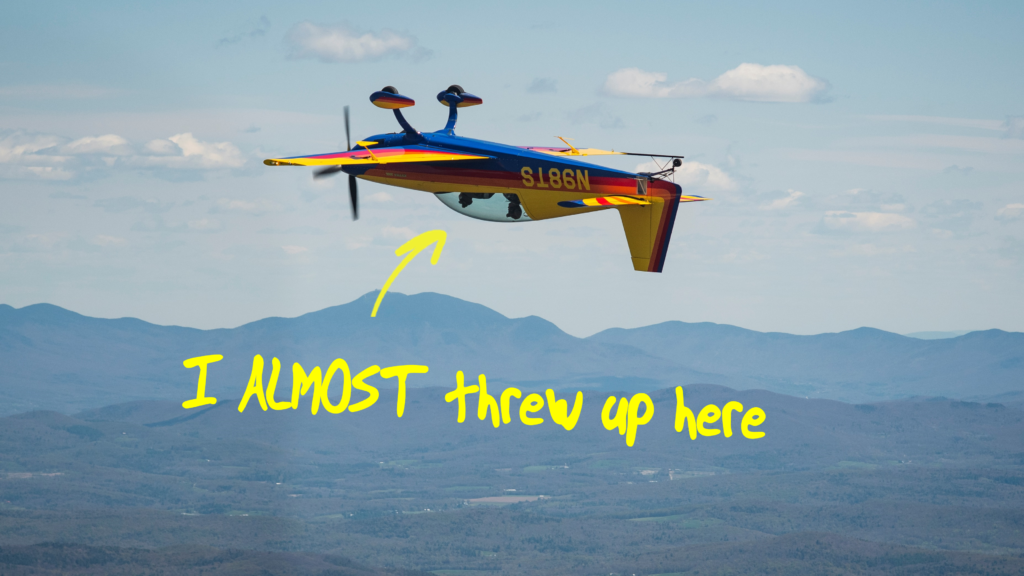
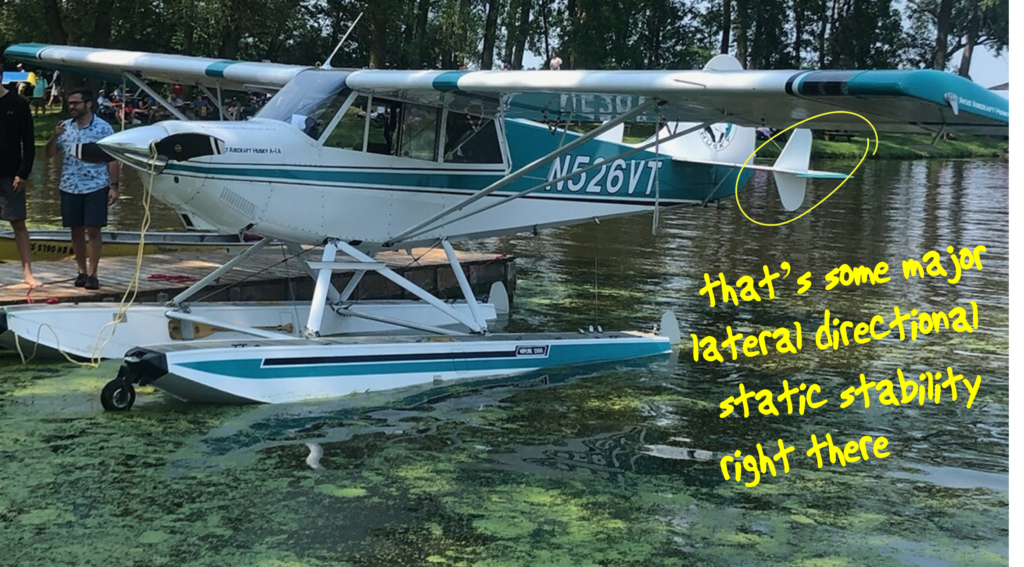
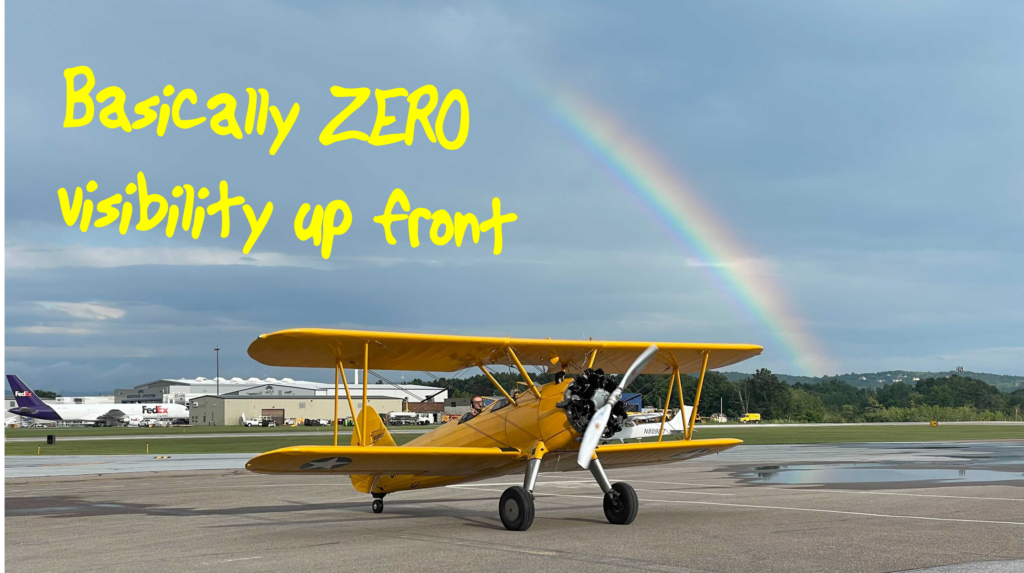
I’ve been lucky enough to have flown a 172, 182, 180, Husky (on floats and skis), Piper Cub Special, Extra 300, a Stearman, and multiple sailplanes!
Rear Seat Flight Testing
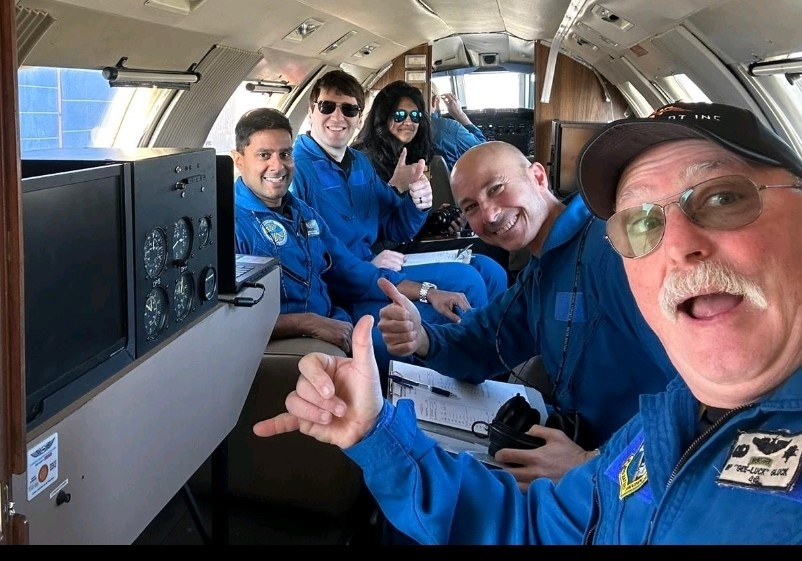
I’m a flight test engineer, so I’m more of a “Goose” than a “Maverick.”
The Largest Aircraft in the World: Pathfinder 1
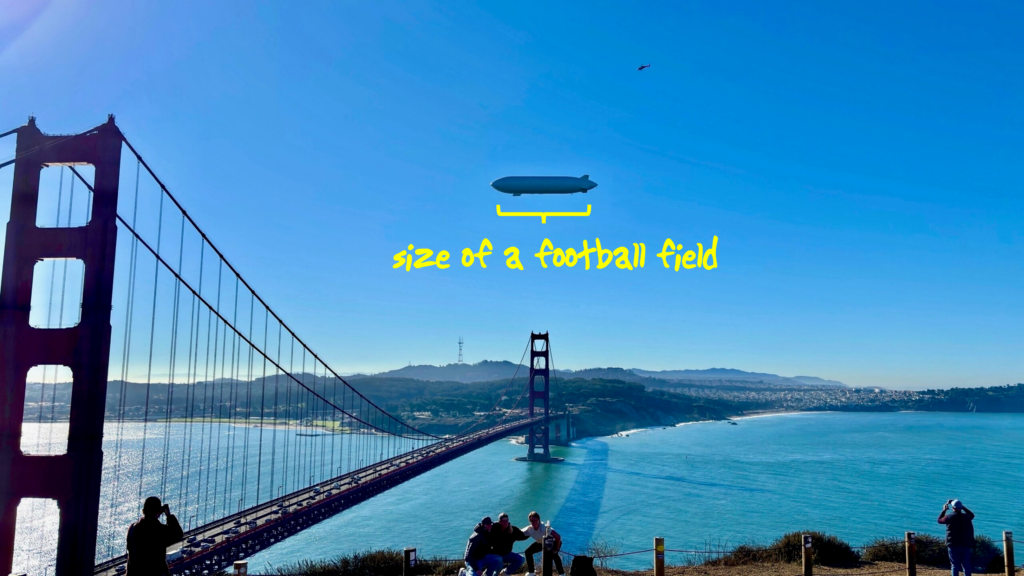
This is an airship built by LTA Research, and I get to organize the amazing team that flies it!
Check if we’re flying by looking for N125LT!
Flight testing Seagliders: a new vehicle type!
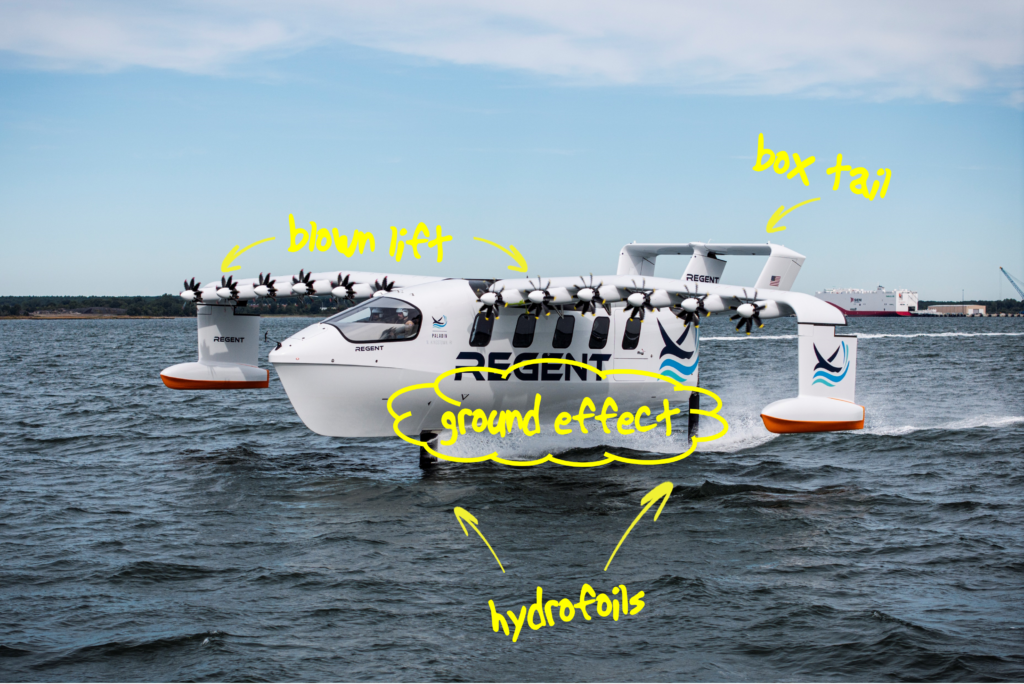
REGENT is making seagliders: electric blown-lift and wing-in-ground effect craft that take off from a hydrofoil. It’s a new type of vehicle in every sense of the word!
I set up the Flight Test department, trained and managed engineers, built data pipelines, and executed tests as a Test Director!
Check if they’re operating on Marine Traffic!
Subscale Seaglider Test
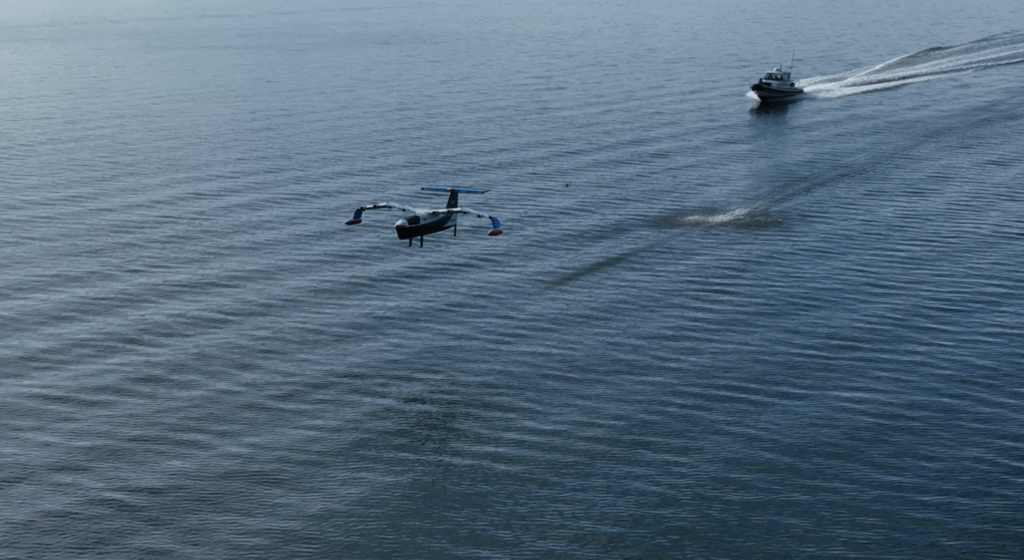
You can see two things here: taking off from a hydrofoil is proven technology, and that this “subscale” is actually quite large.
I’m an engineer & operator of this “little guy”!
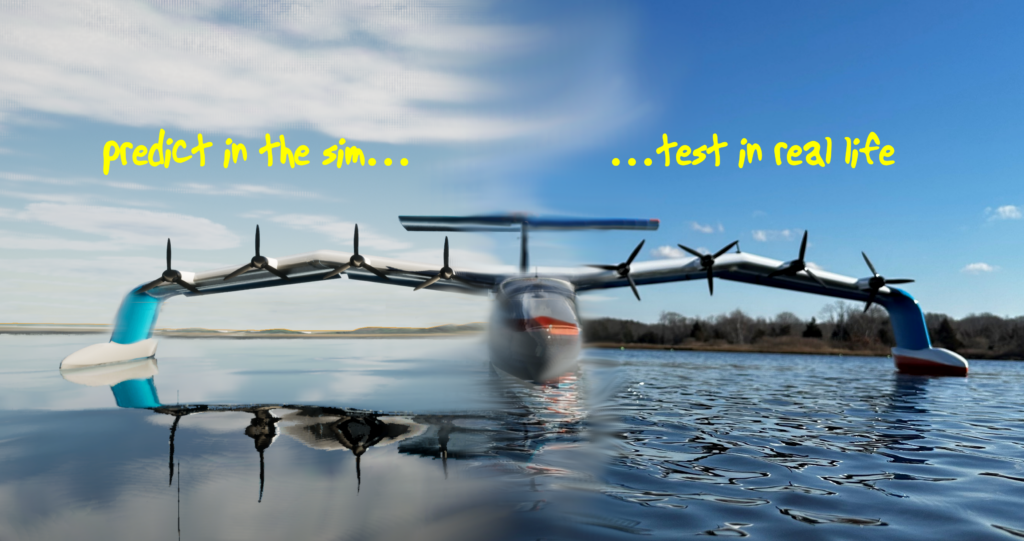
Simulation informed Flight Test at REGENT
With fly-by-wire, ground-effect, electric propulsion, and blown lift, there’s some uncertainty in performance & handling qualities.
That’s why any flight that the seaglider does is first done 100s of time in our simulator with test software I wrote.
Sensor Evaluation Flight Test at REGENT
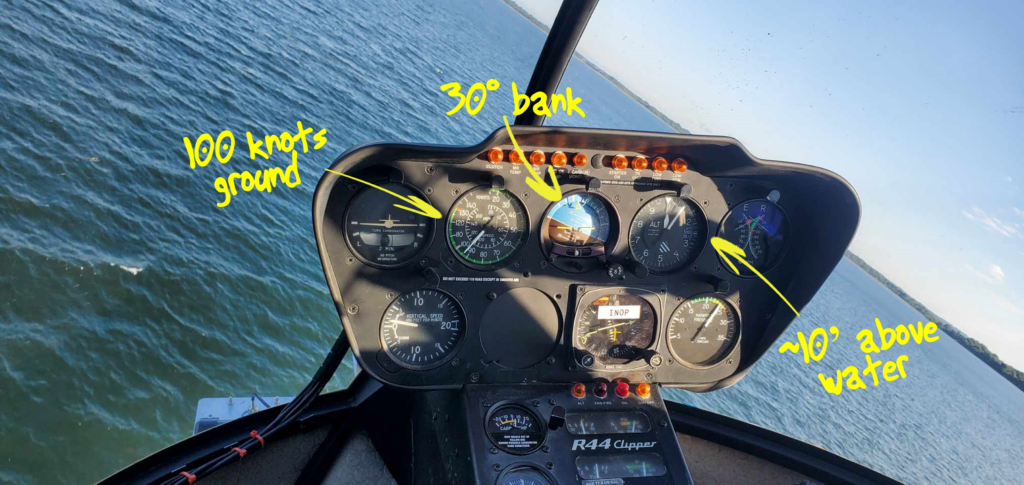
For a wing-in-ground effect craft, altitude sensing at any speed, height, and attitude is incredibly important, so we’re evaluating sensors at these unusual vehicle states.
You can see our instrumented helicopter going >100 kts at <50′ with >20° bank over water!
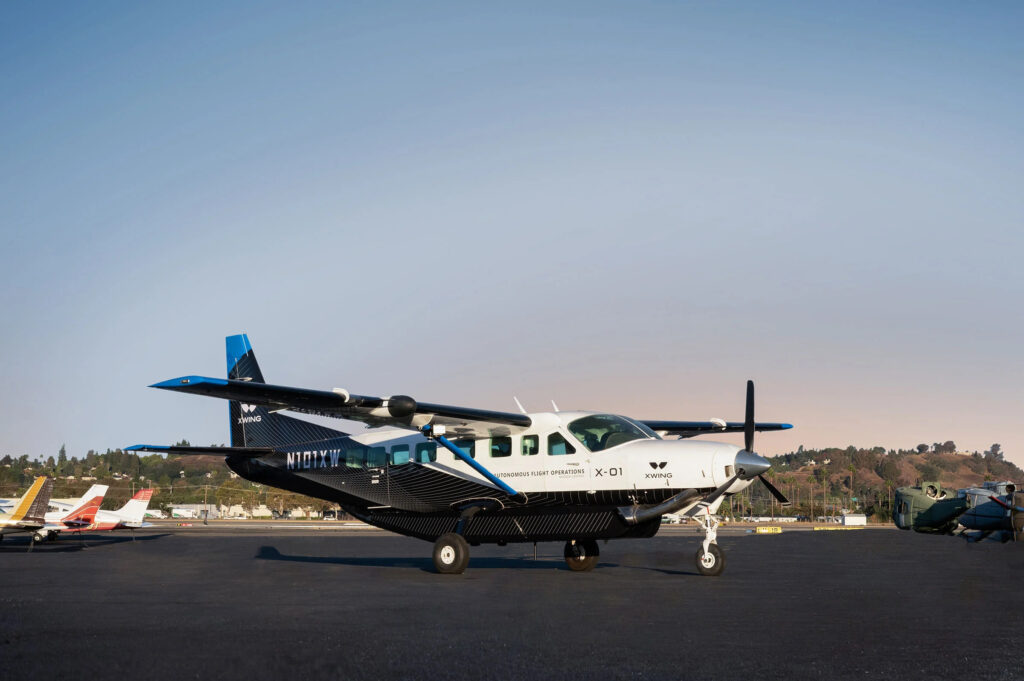
Flight Test, Certification, and
Project Engineering at Xwing
I authored a handling qualities test plan to help certify wing pods on a Cessna Caravan, one of the first steps to certify Xwing’s autonomous Detect & Avoid system. I tracked the instrumentation & integration prior to the test campaign, and flew as an airborne FTE.
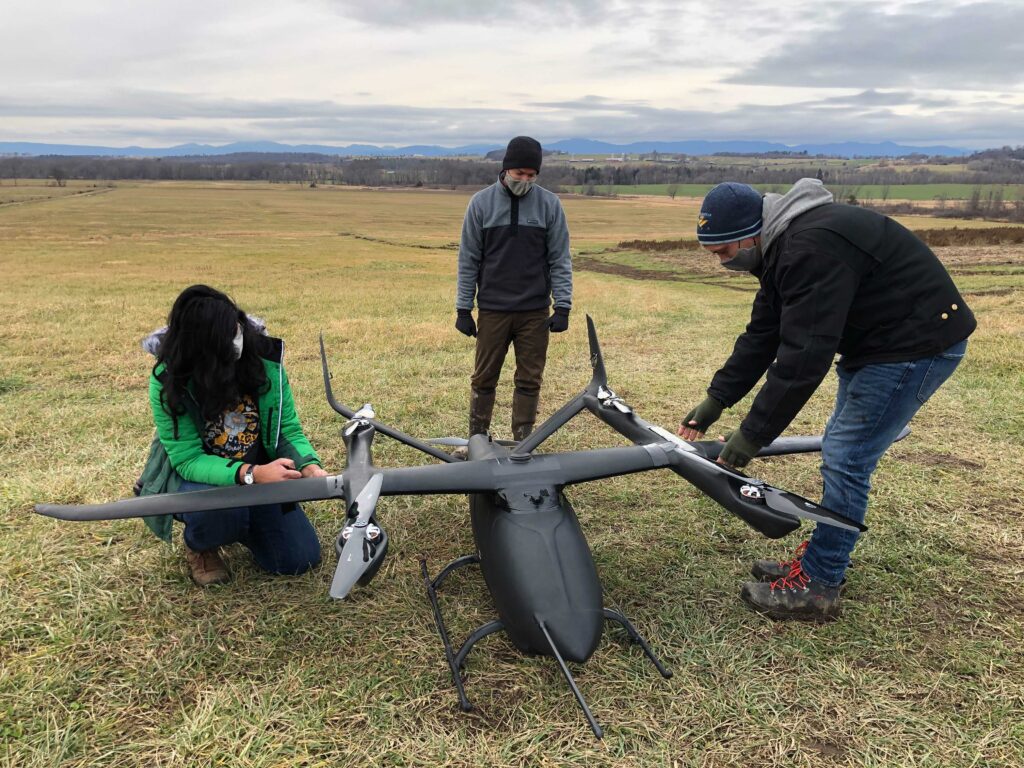
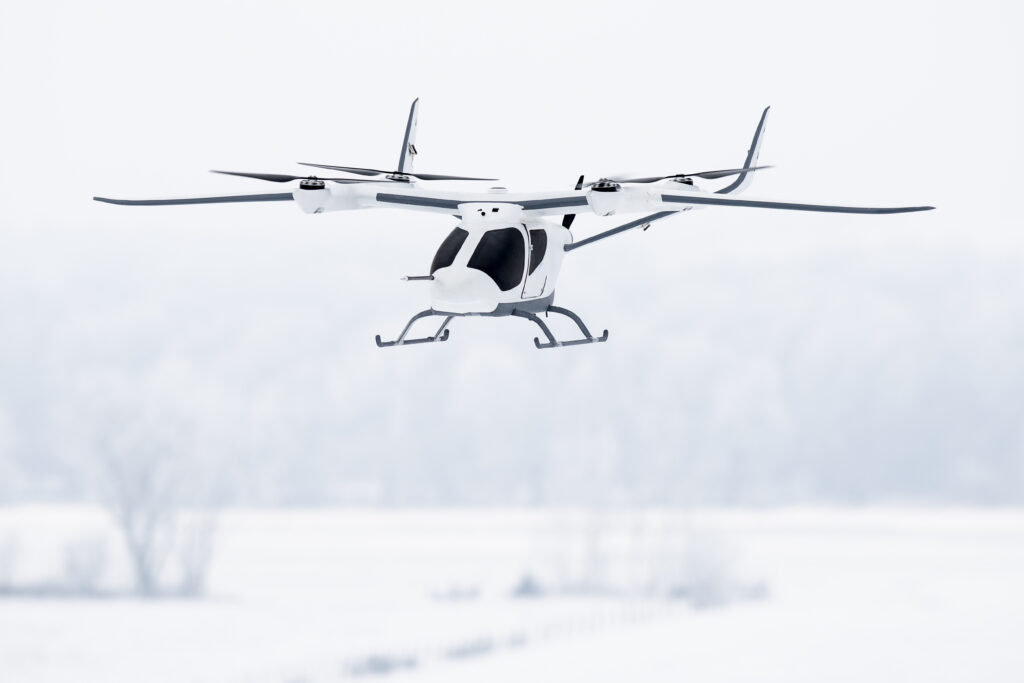
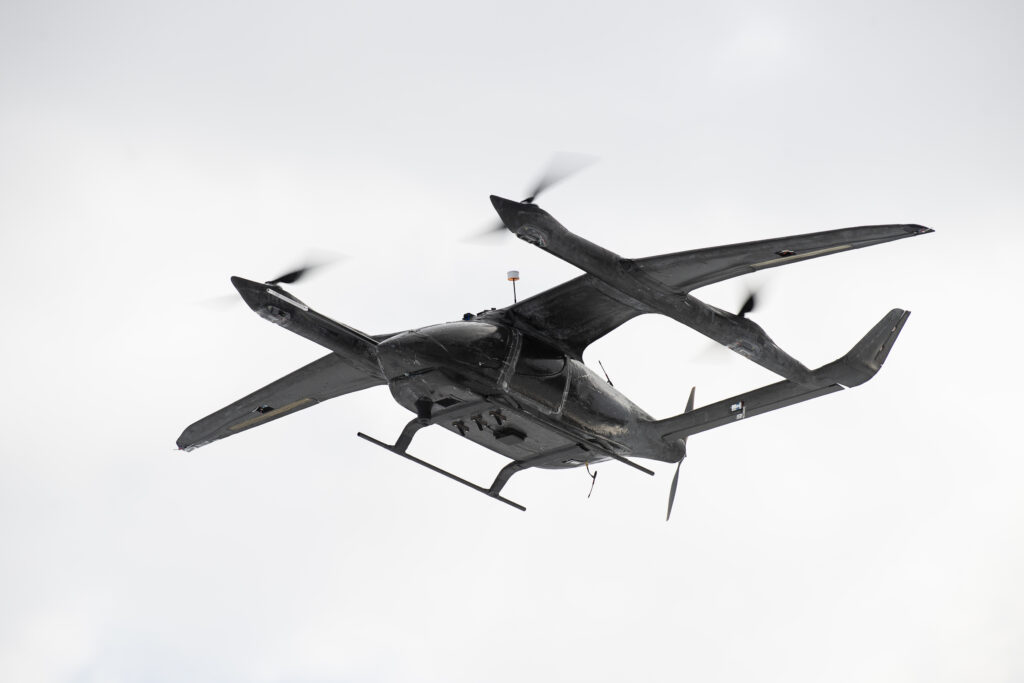
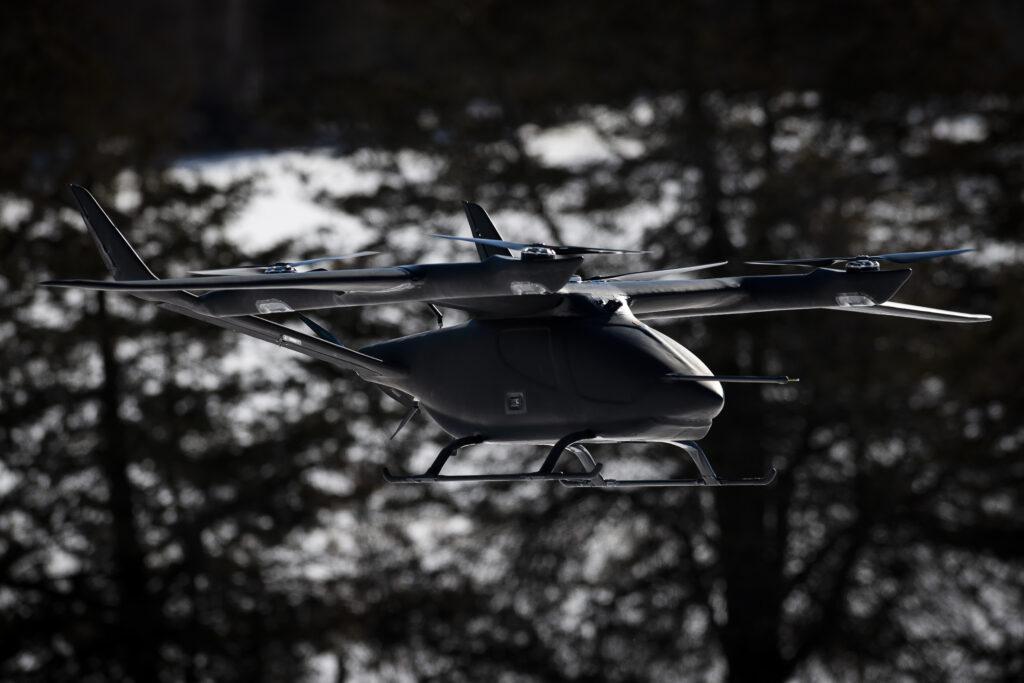
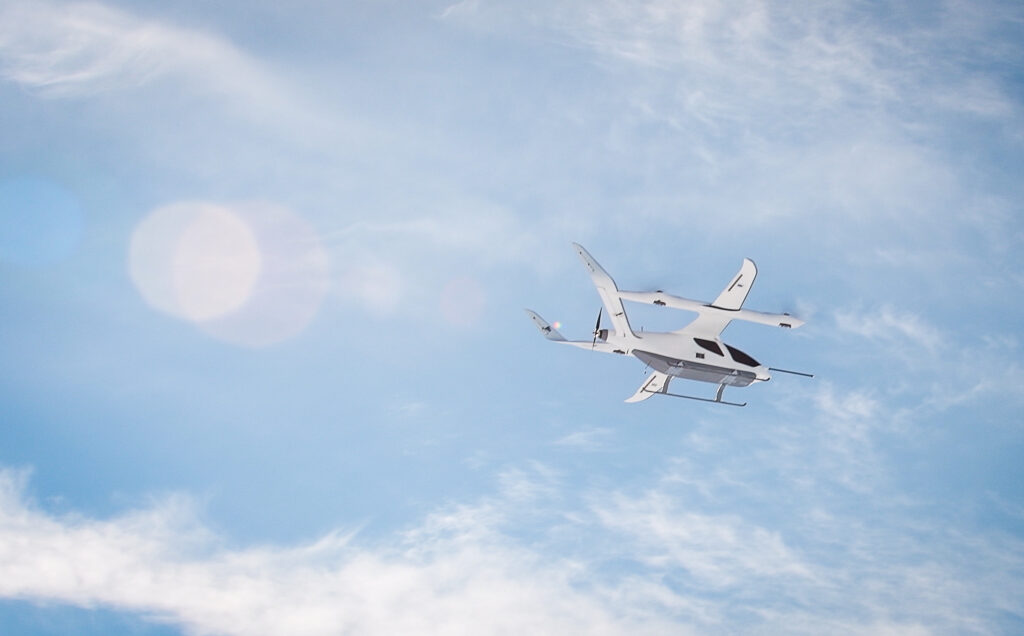
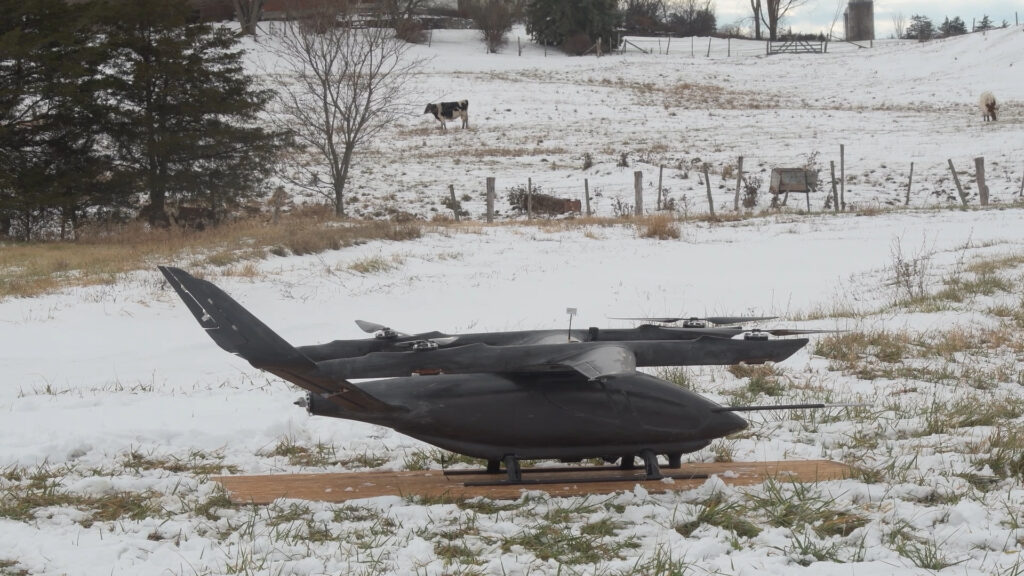
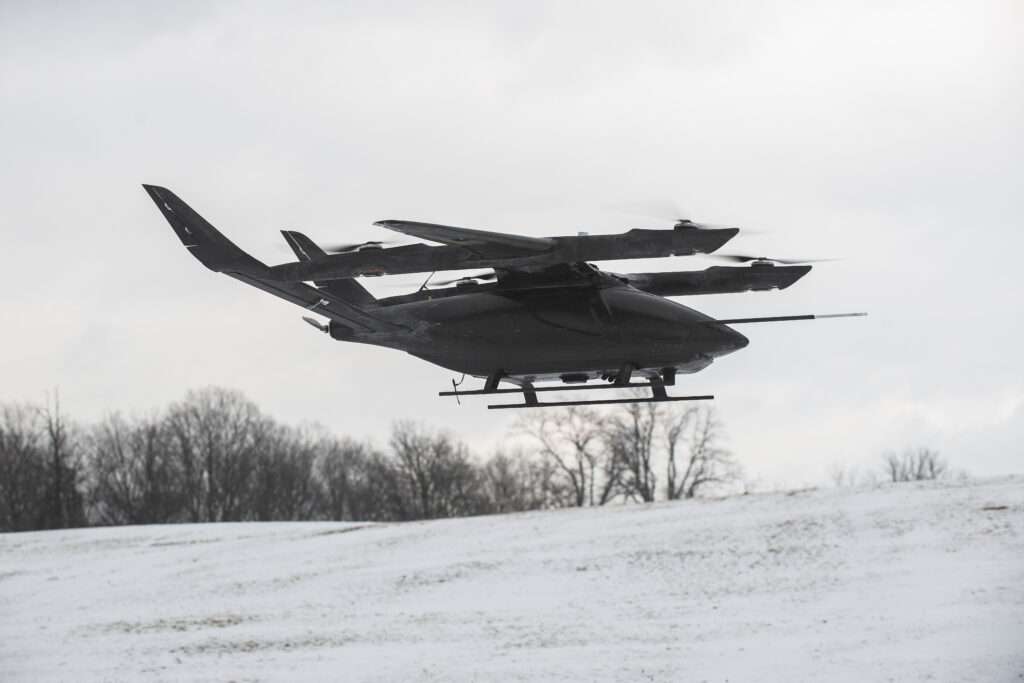
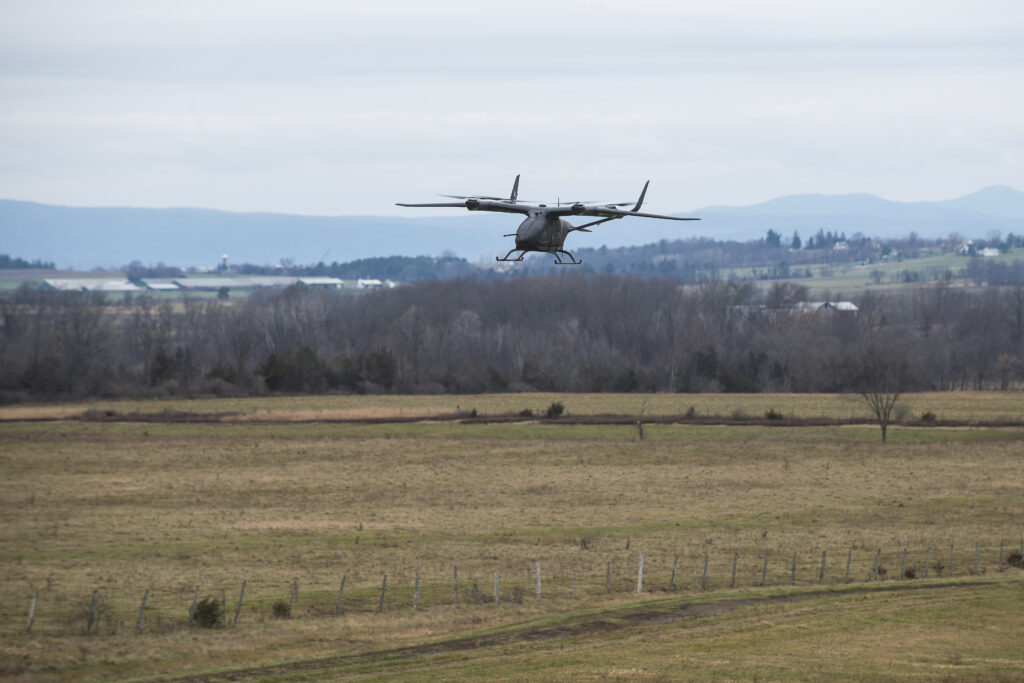
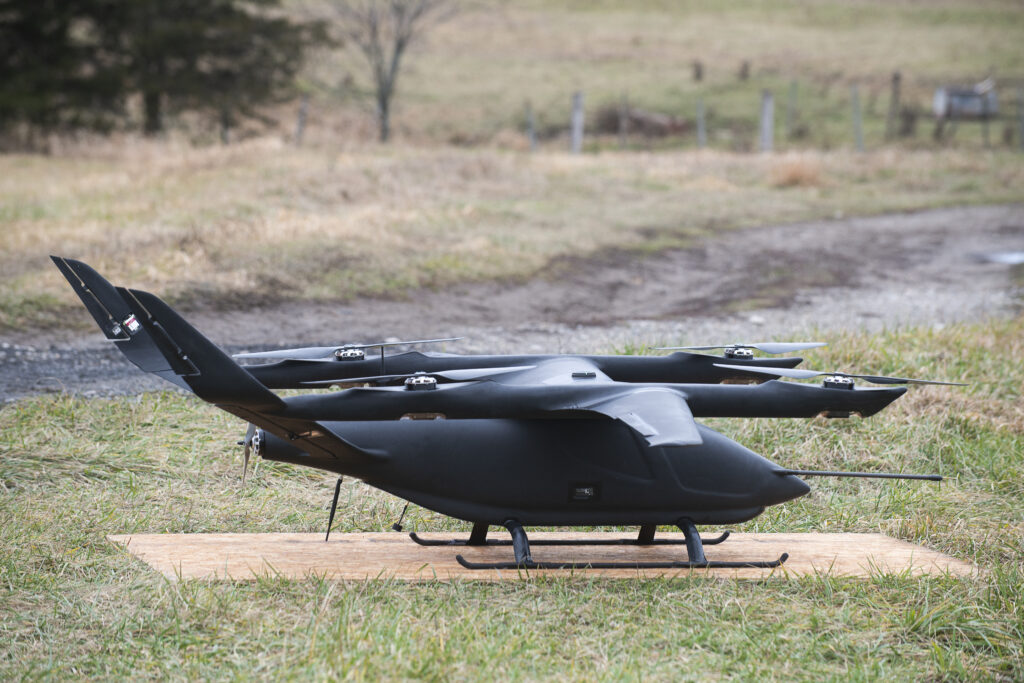
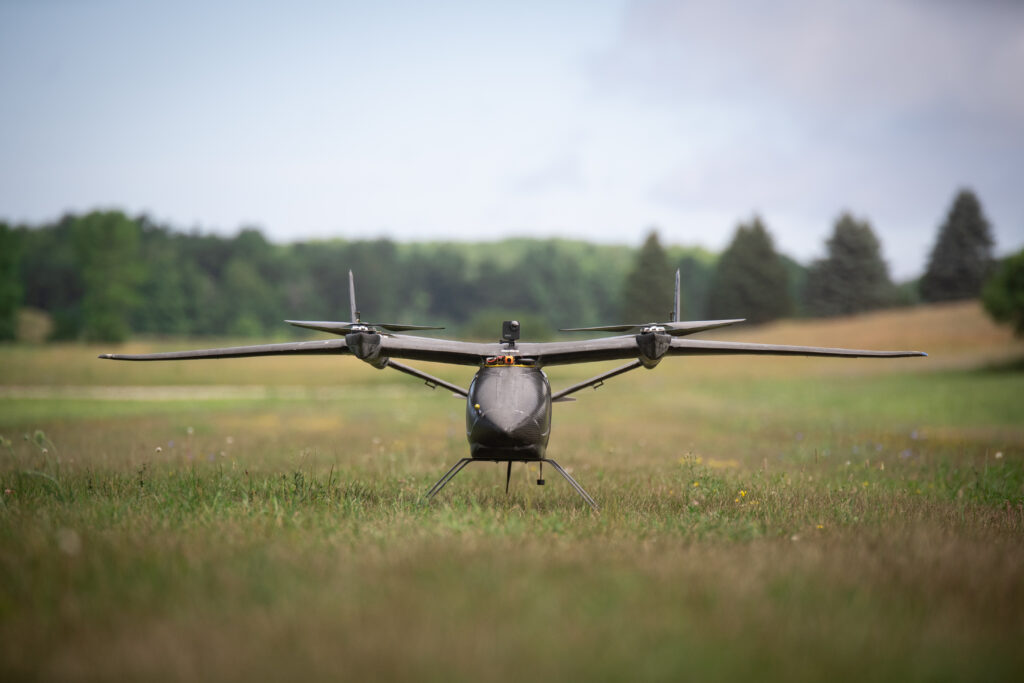
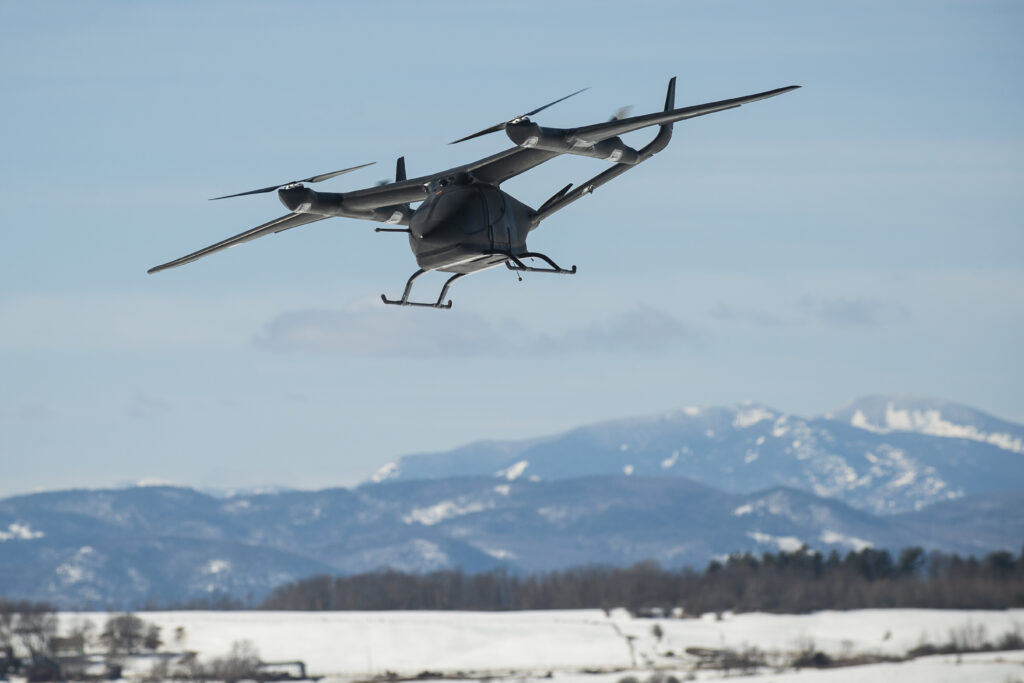
Beta Technology’s subscale eVTOL prototype
Over 150 full transitions from 7+ airframes in a year. As a flight test engineer, test conductor, and a few times as a co-pilot, this team was fast, efficient, and delivered a lot of data!
My favorite pictures of the fleet flying are below:
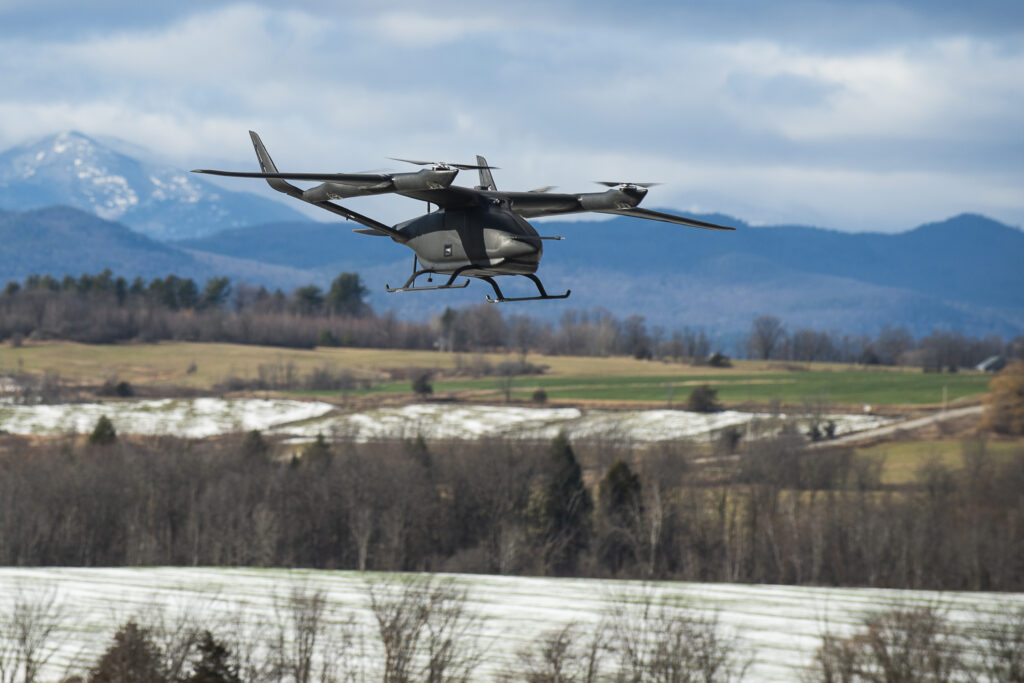
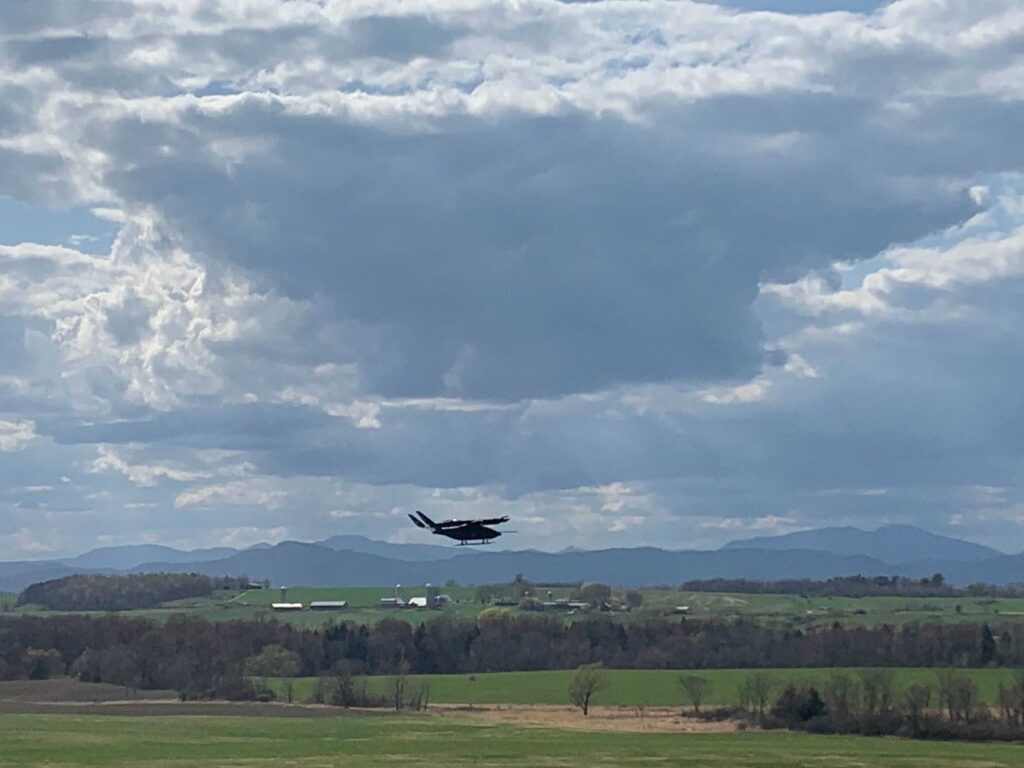
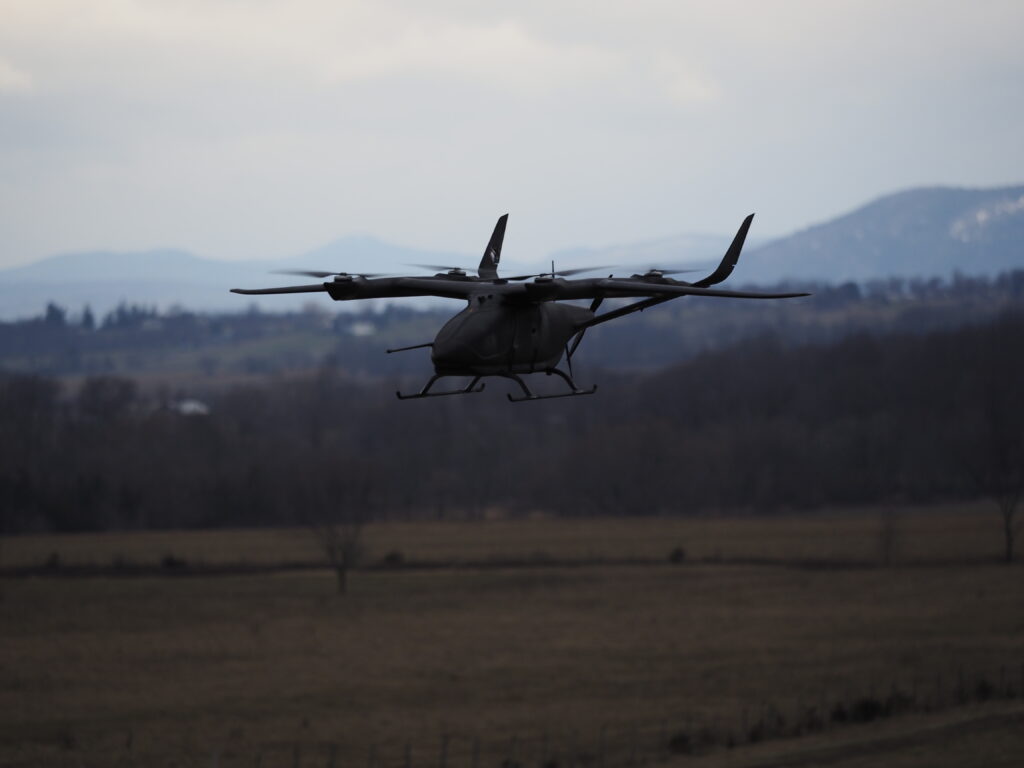
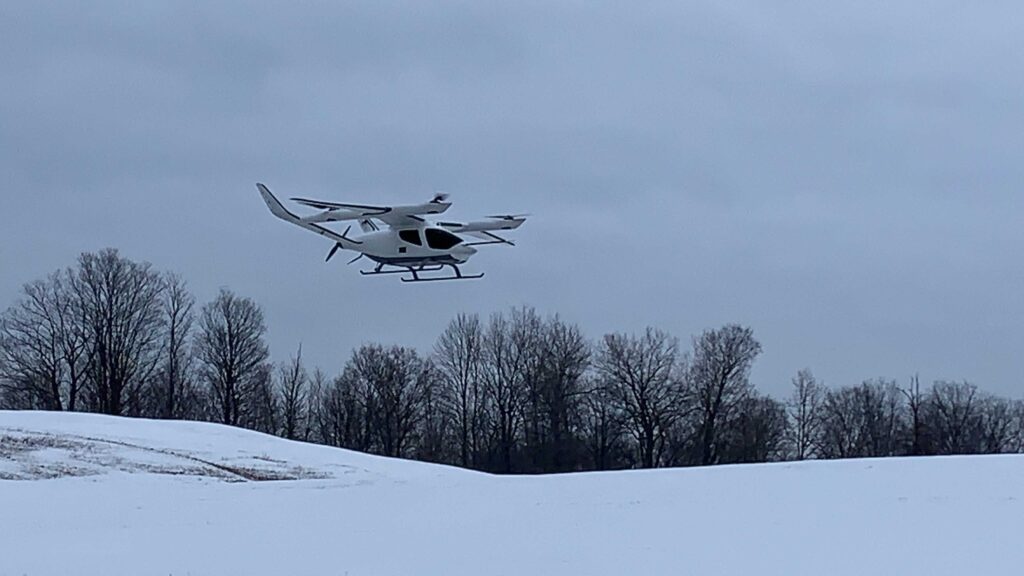
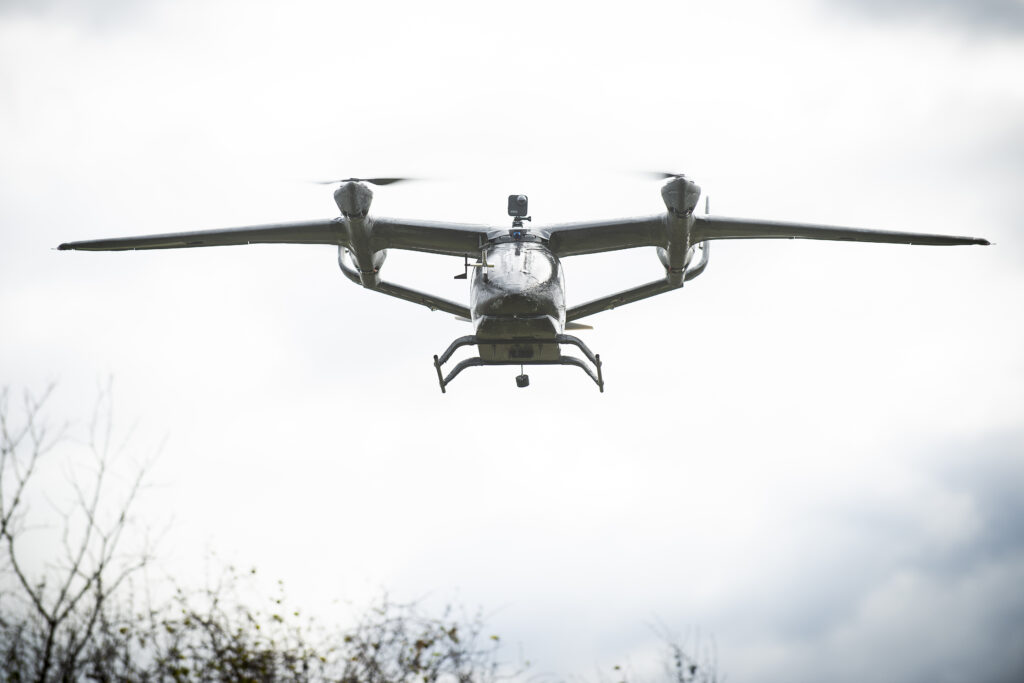
Beta Technology’s 2nd Generation Subscale
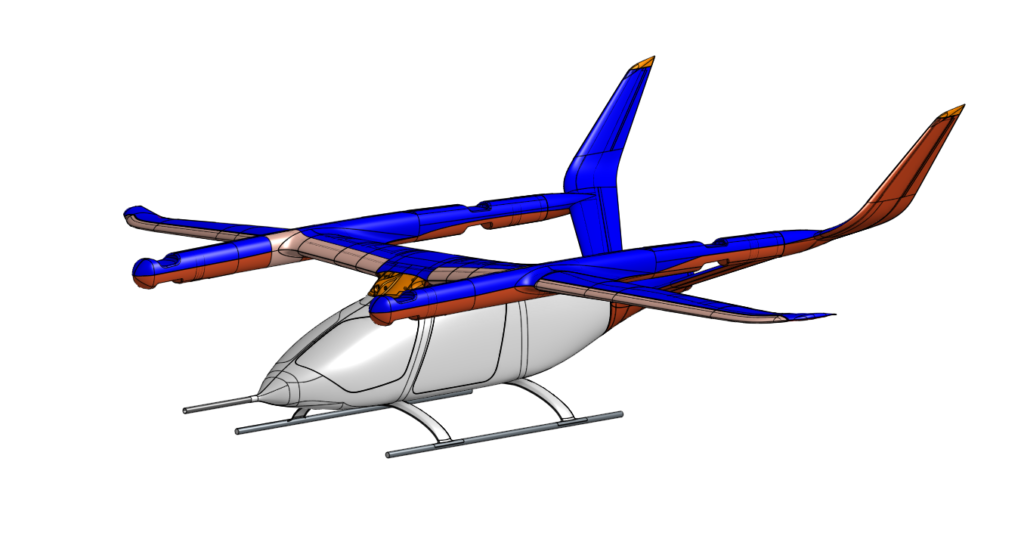
I led a team of 5+ engineers and a contract manufacturer for over a year to re-design and build the subscale from scratch. We were able to, compared to the gen 1 airframes you see above, reduce weight by 40% and build time by >50%.
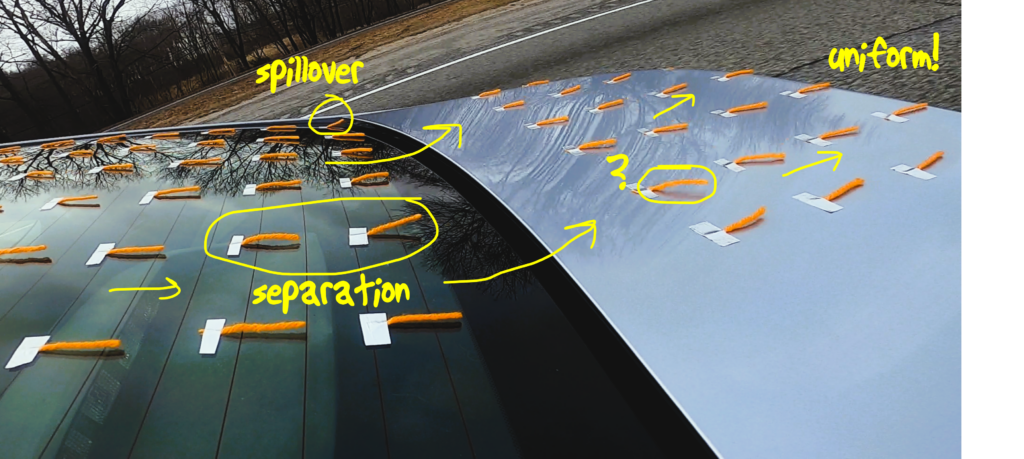
The aerodynamics of my car – a 2015 Scion FRS
I put tufts on my car and drove… a reasonable speed… to determine the best z-height of a race car wing. Can you spot the location?
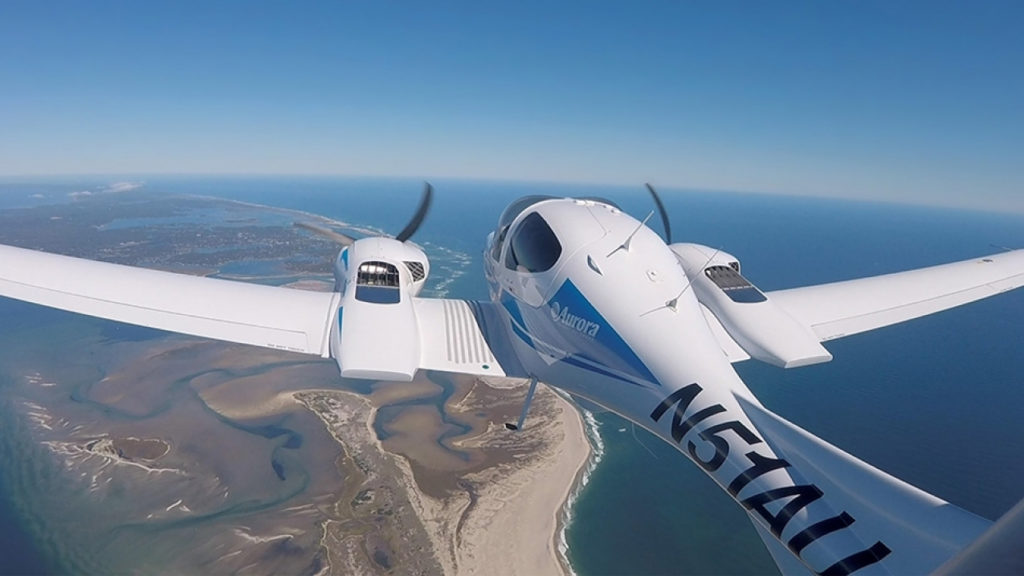
Aurora Flight Science’s Centaur:
an optionally piloted DA42
A secretive project; this image from google is similar to our view in the control room
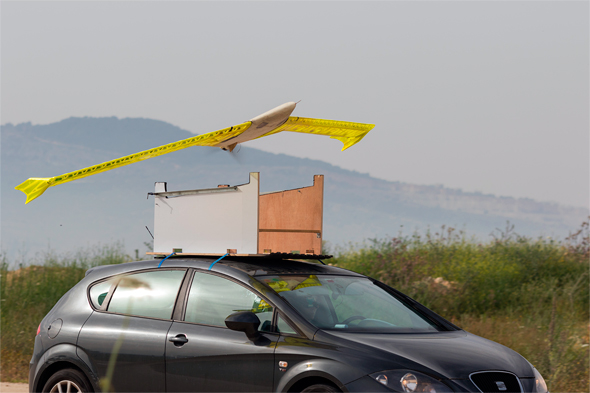
Active Aeroelastic Aircraft Testbed (A3TB)
This 10′ wingspan drone was designed at Technion University for flutter suppression research: the right control laws can use its 8 control surfaces to change local cL and suppress any flutter.
Prior to the flight, I ran dynamics simulations and validated them with ground vibrational testing, and in its first flight we saw exactly what we wanted: a lot of flutter!
Flying Expensive Drones at MIT
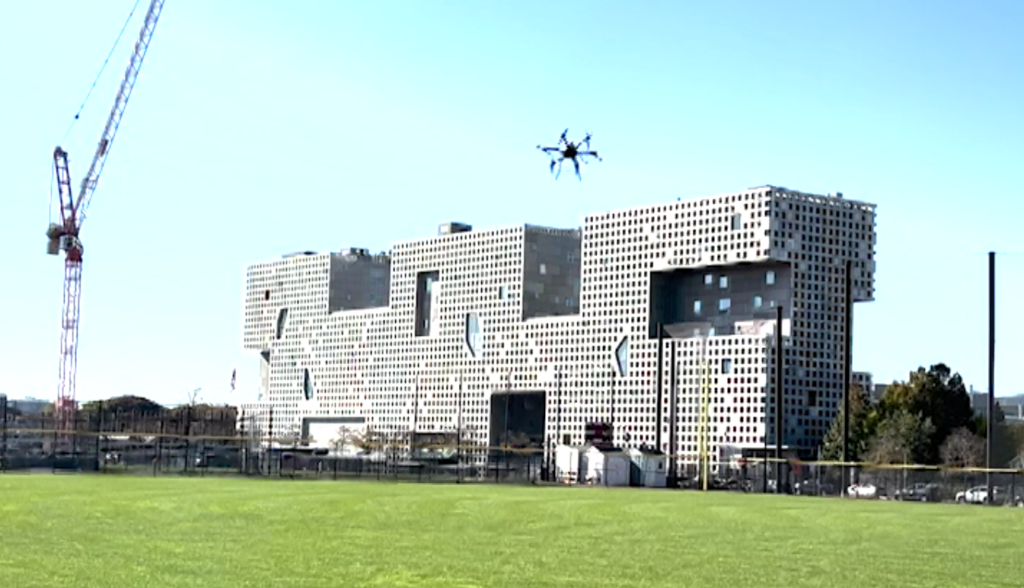
I’ve helped a few labs and groups at MIT with their flight test operations by coordinating safety on campus and of course flying! Flying on campus means flying with a great view of MIT’s wacky buildings.
Flying Cheap Drones at RC Fields
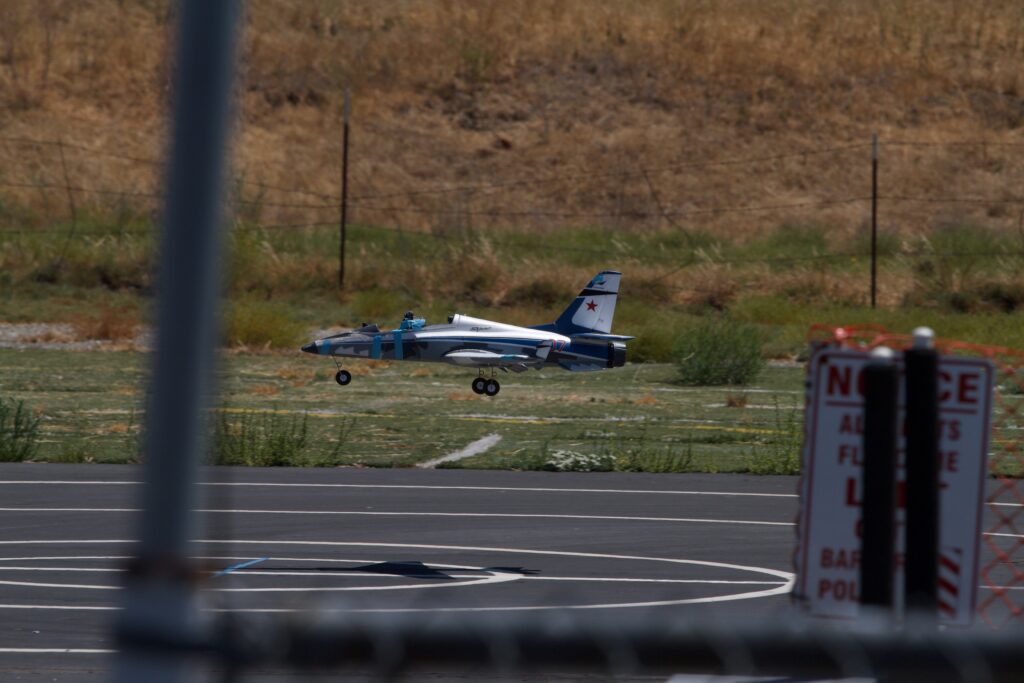
Drones are small, but flying them well pushes you to learn just as much as flying anything else. I usually fly in first-person-view, or FPV
What I see as I fly via FPV
No instruments, no camera tilting, & no physical feel.
Flying without any information other than your sight picture is incredibly difficult and seriously rewarding!
MIT Flight Vehicle Design 2022-2023
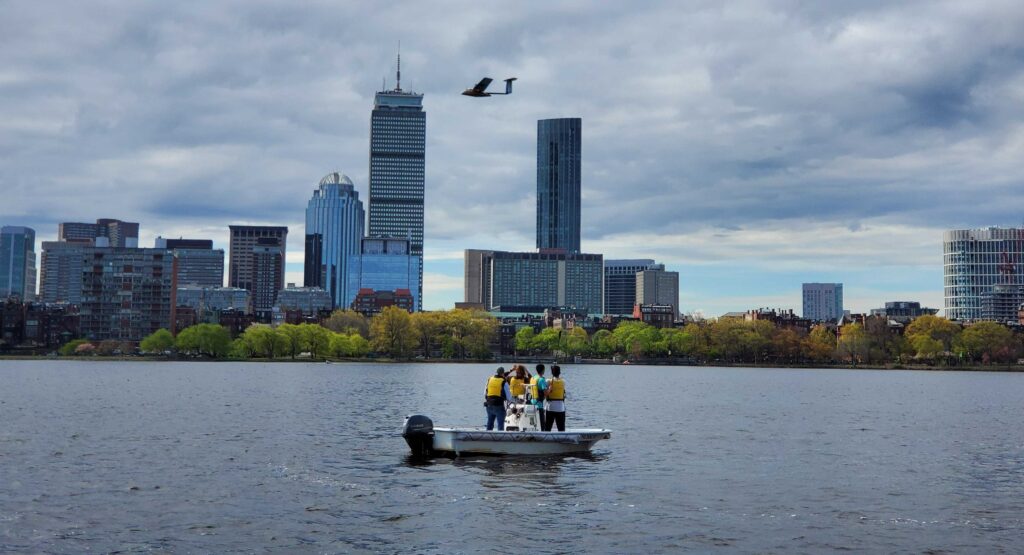
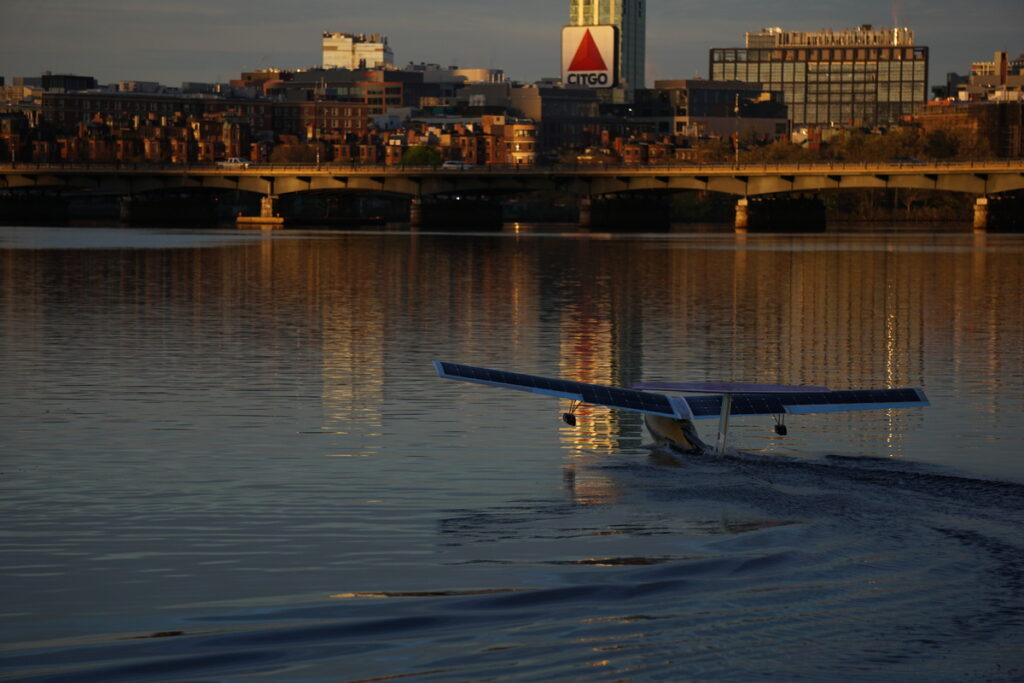
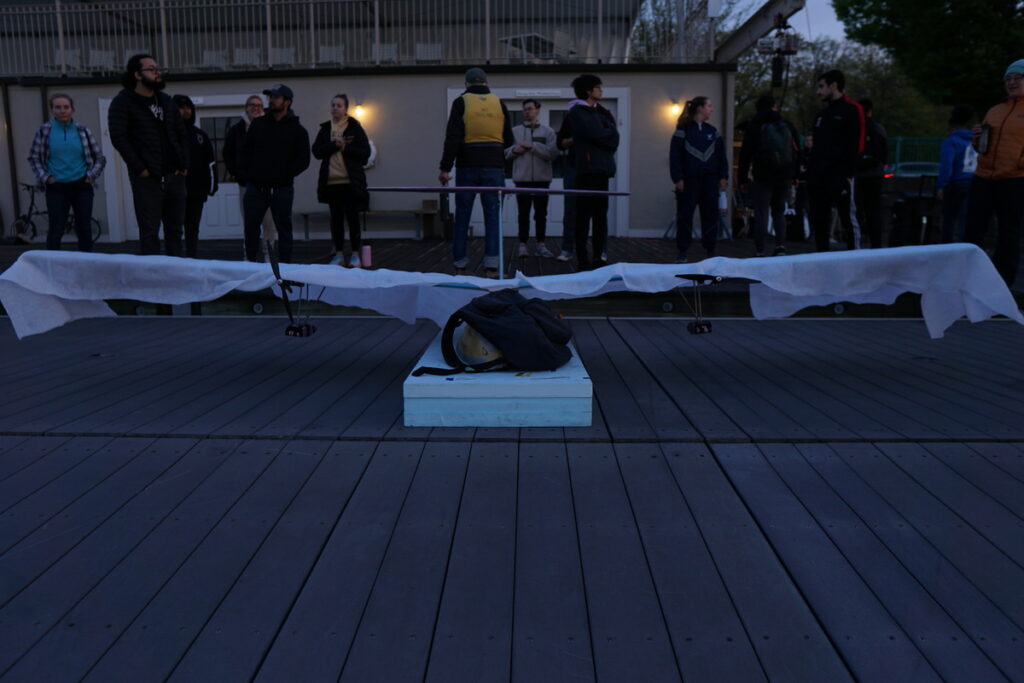
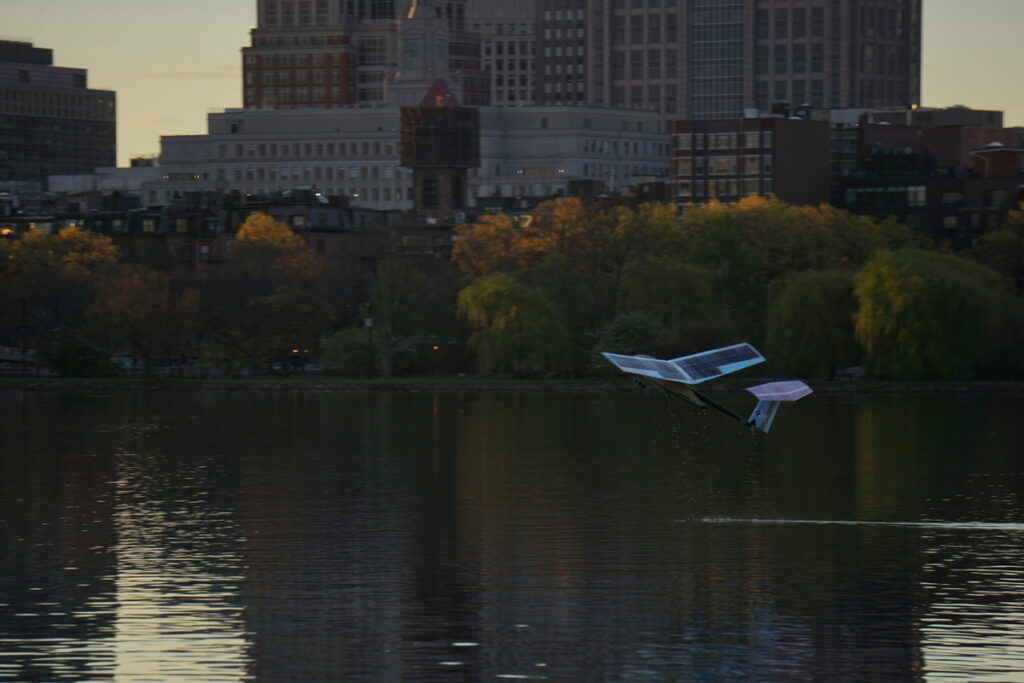
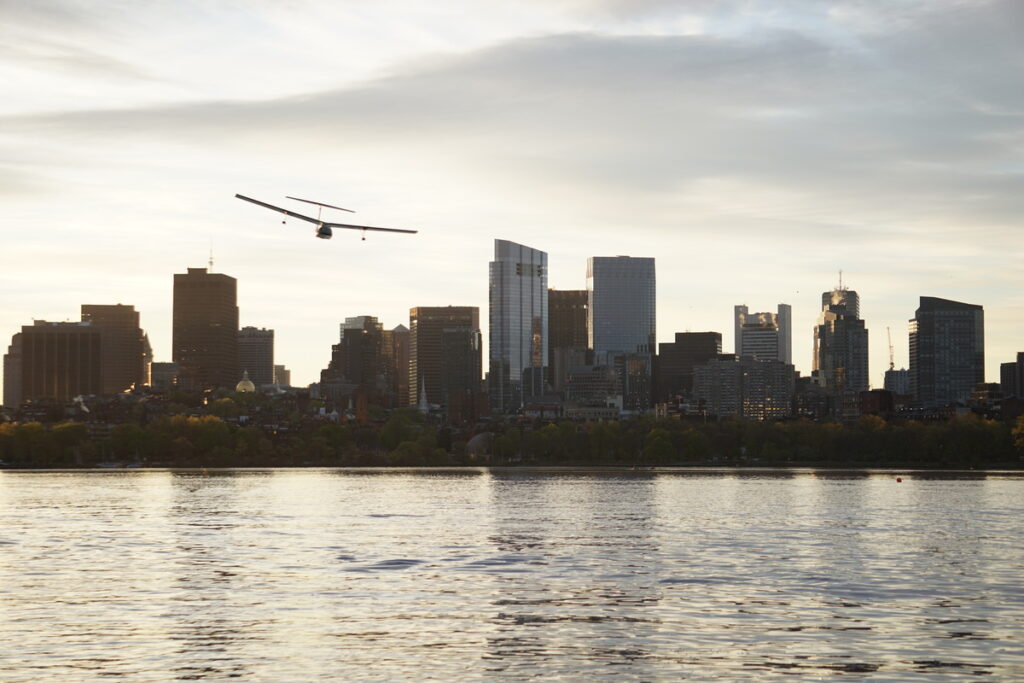
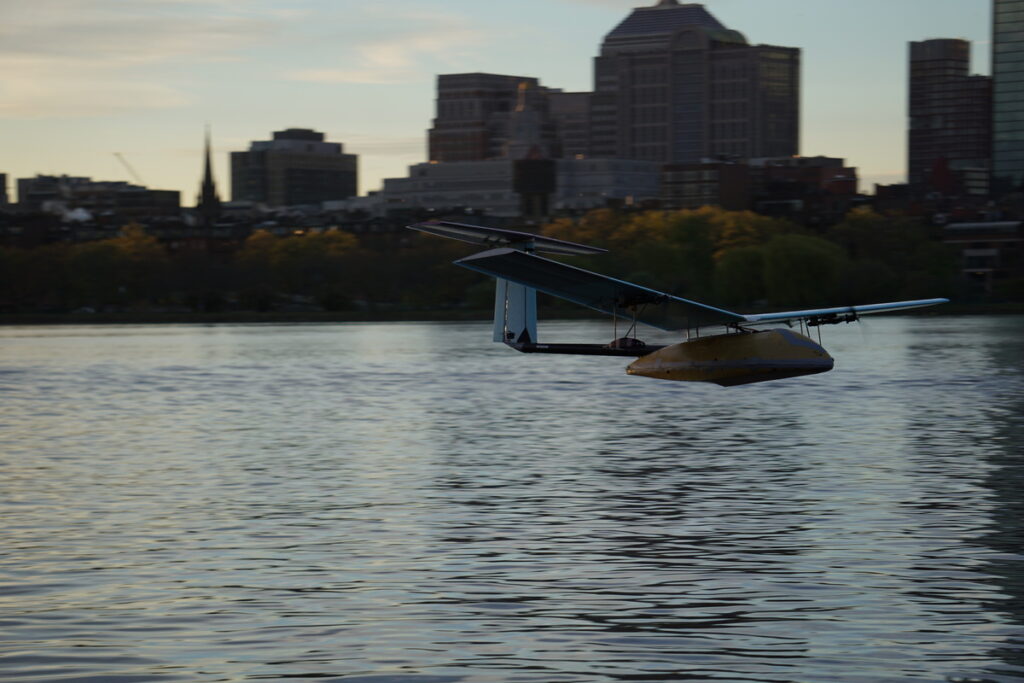
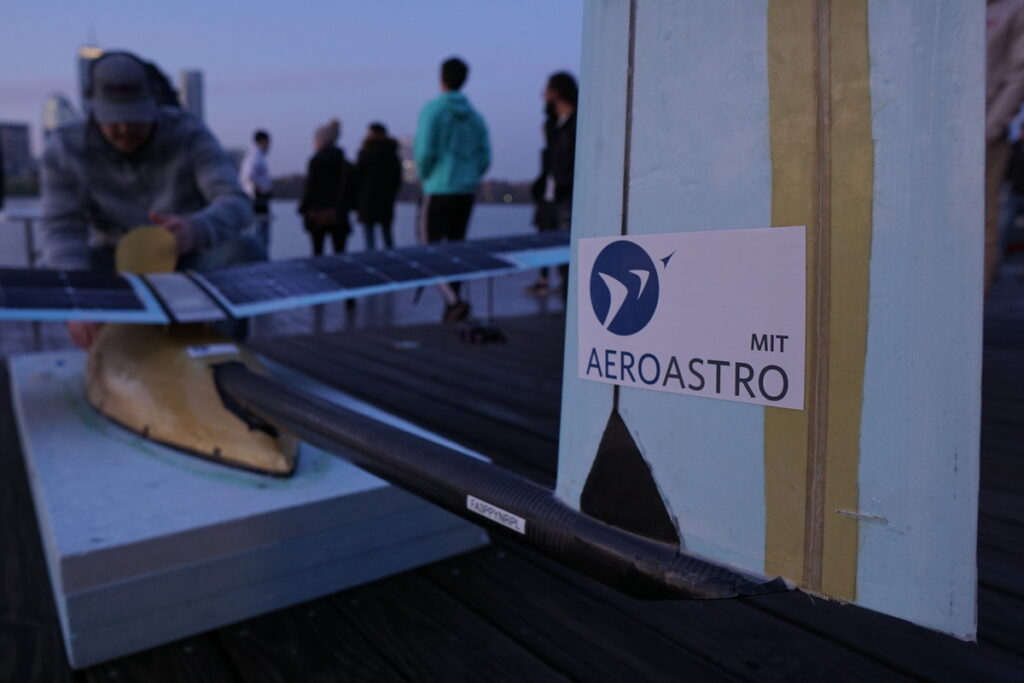
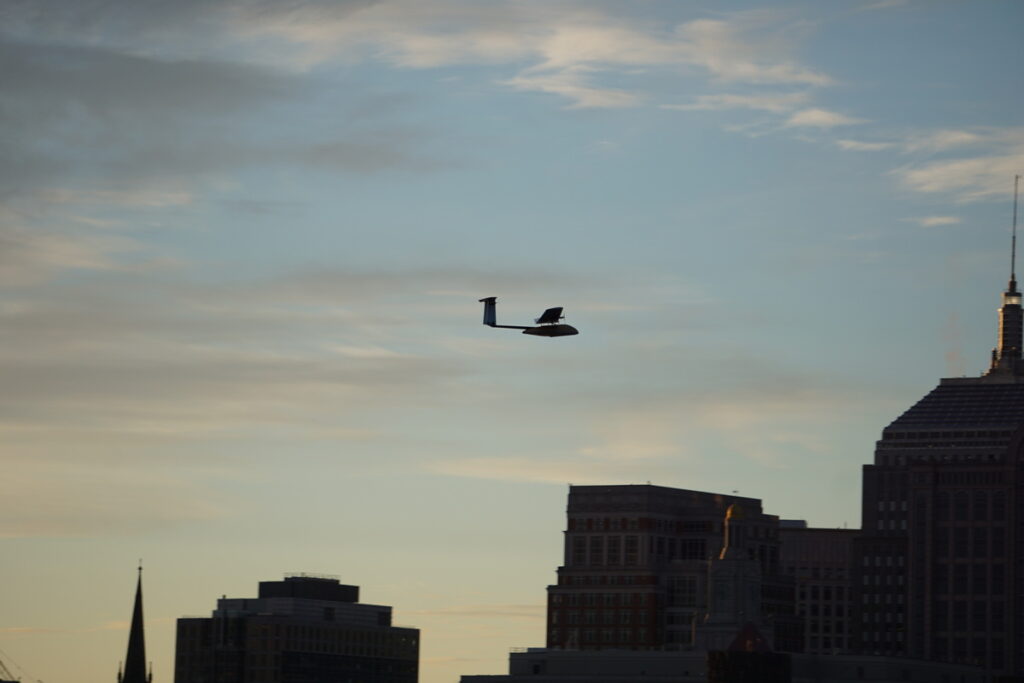
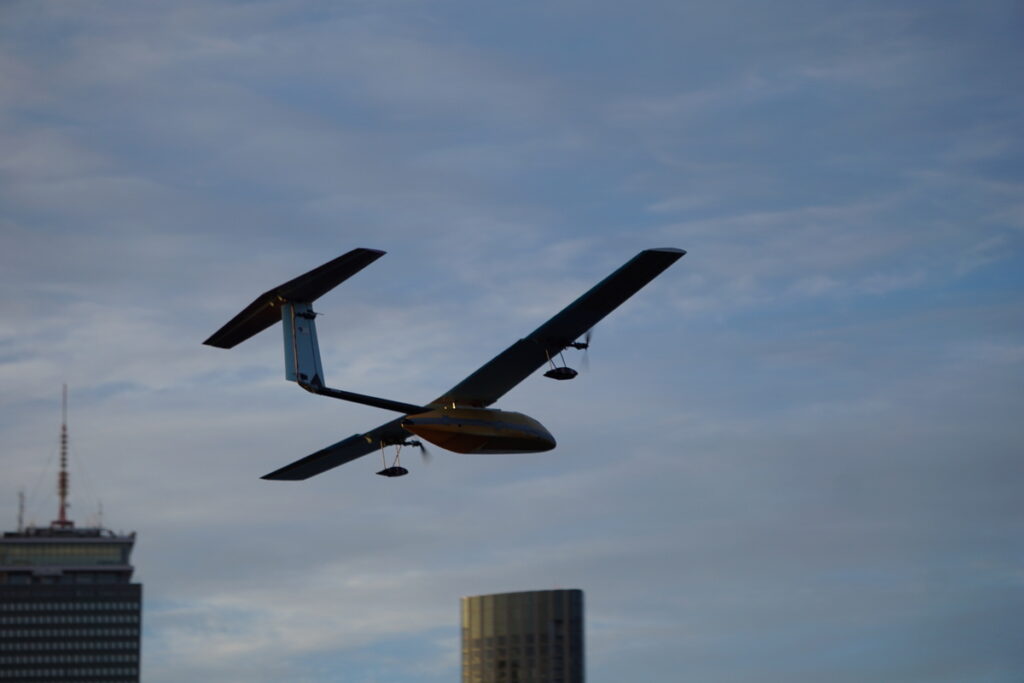
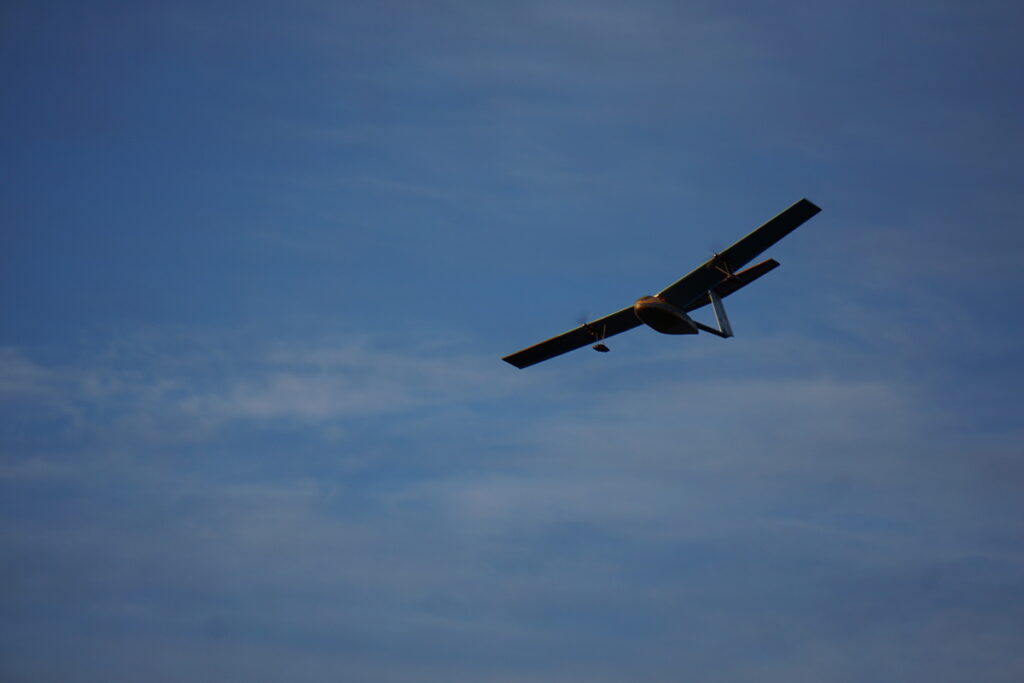
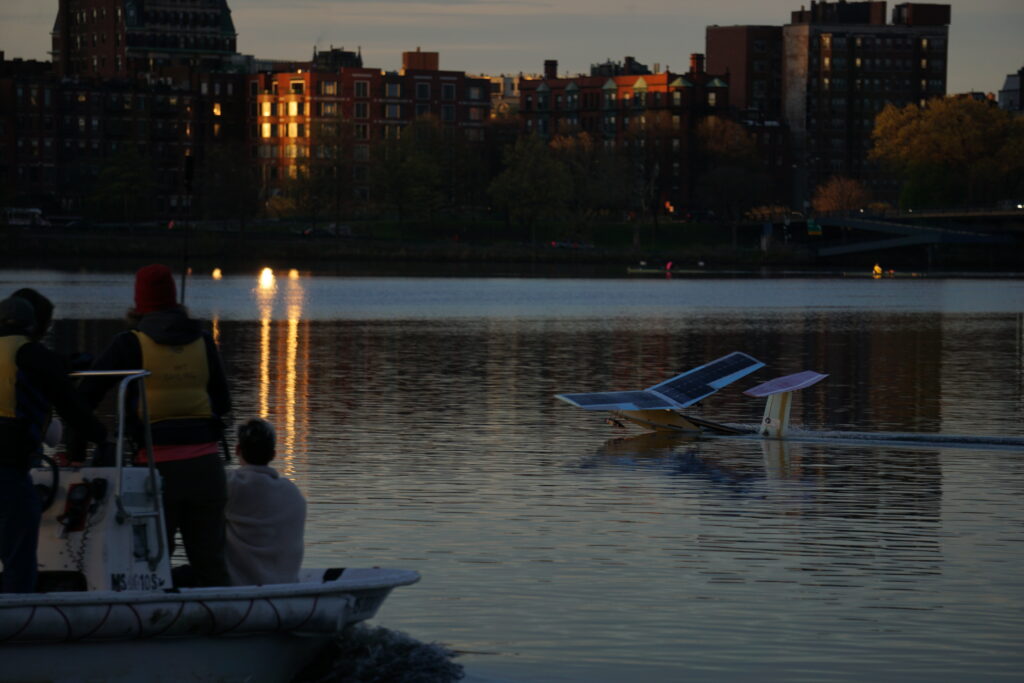
I was the chief engineer of 19 students leading the design of an electric ultralight amphibious glider. Our team’s conceptual design review is here.
We then built a subscale version of our design and I led our performance analysis & flight test. Our final brief is here.
My favorite photos from our three flights are below:
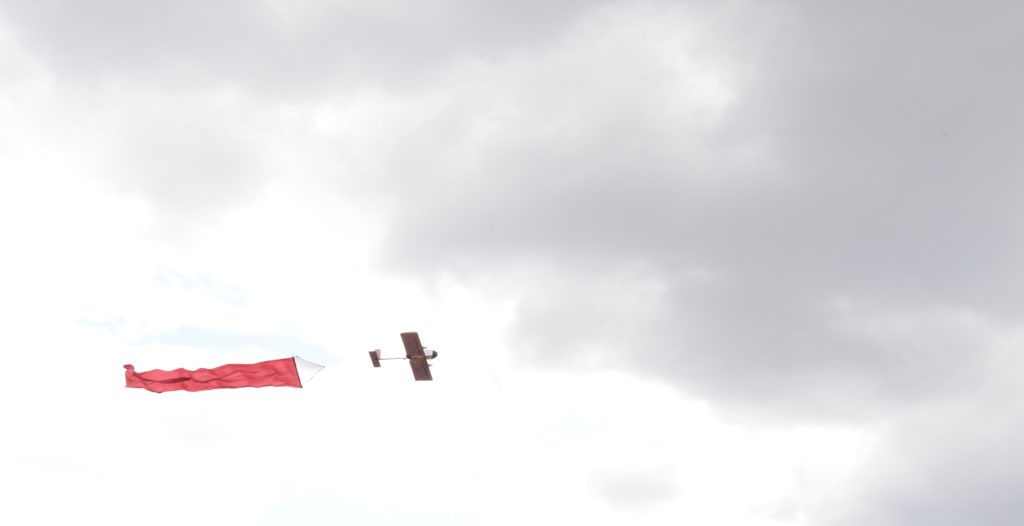
MIT’s 2020 DBF plane towing a banner
The AIAA DBF is an annual collegiate drone competition. This year we earned 6th out of 101 teams.
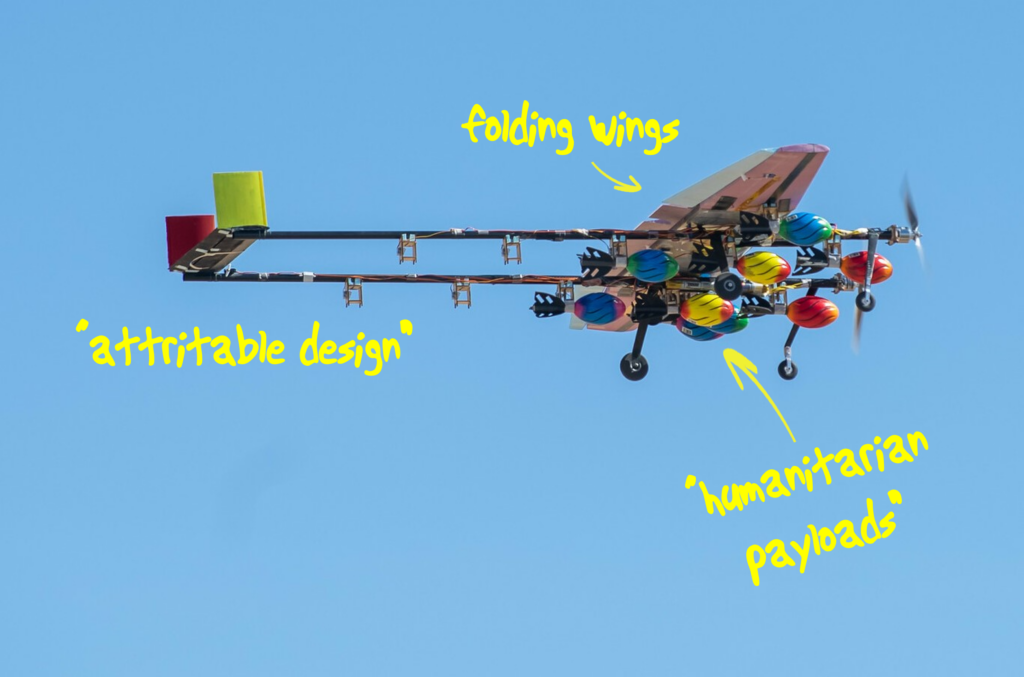
MIT’s 2019 DBF plane dropping payloads
7th out of 104 teams